Home About Us
News Donation Complaint

Division
Community Organizing

The Community Organizing Division works alongside communities in a spirit of kinship to strengthen the position and self-reliance of local populations in Central Kalimantan. Through a participatory approach that respects local wisdom, customary systems, and the rights of communities to land and genetic resources, the division empowers communities to become better organized and capable of collectively advocating for their own interests.

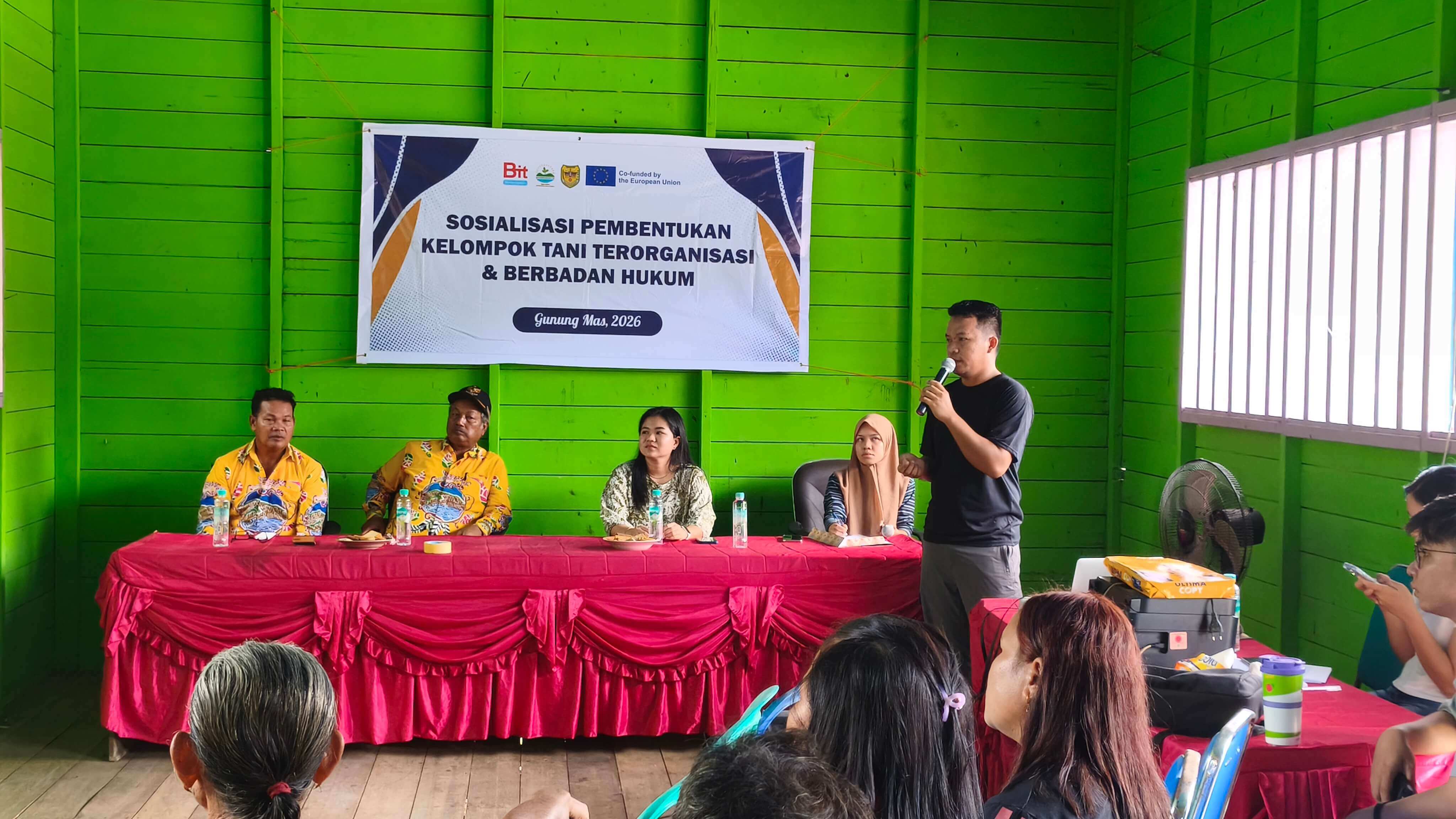
Working directly with farmer groups, customary law communities, women farmers, and rural youth, this division facilitates the strengthening of community organizations, fosters critical awareness, and encourages active community participation in decision-making and policy advocacy. The division also serves as a bridge, connecting the aspirations of communities at the grassroots level with the programs, policies, and strategic partners of The Borneo Institute (BIT) at local, national, and international levels.
✦
Strengthening Local Communities Programs and Partnerships
Community Empowerment

Community Capacity Strengthening

Facilitating the formation and strengthening of community-based organizations (CBOs), farmer groups, and village-level paralegal teams. This effort aims to build independent, inclusive, and sustainable community institutions capable of advocating for their rights and managing their land and resources.

Campaigning and Advocacy

Designing and implementing awareness campaigns regarding the impacts of oil palm plantation expansion, mining, and land-use change on indigenous territories and community livelihoods. This division also supports communities in developing advocacy strategies and championing their interests throughout decision-making processes at the village, regency, and provincial levels.

Participatory Research

Conducting the collection and documentation of socio-economic data, livelihood conditions, and community dynamics—including shifts in the roles and contributions of women farmers. This participatory research serves as a foundation for designing contextual, targeted, and evidence-based programs, while ensuring that the knowledge and experiences of the community remain an integral part of the planning and decision-making process.